
Translated from French
Quality jewellery. Efficient, fast customer service. Highly recommend.


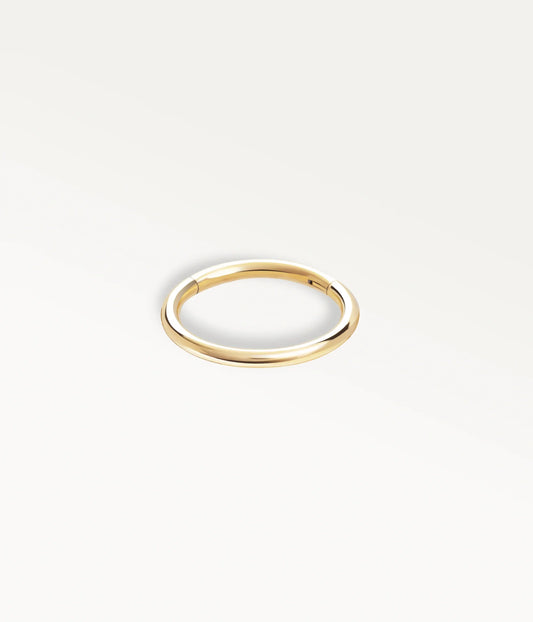


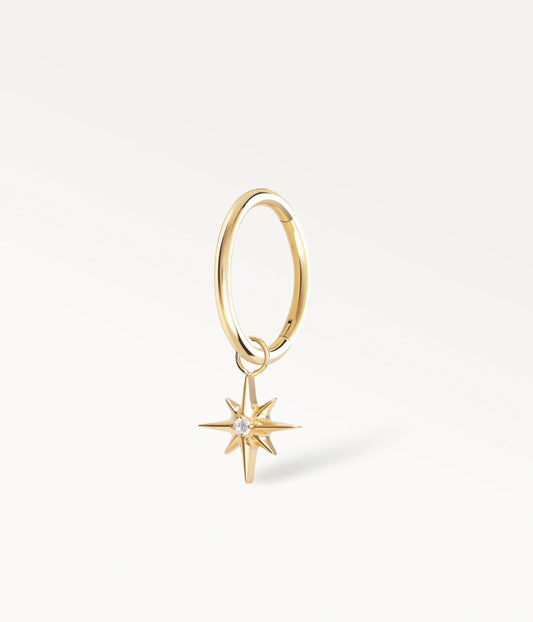


Explore ear stacks featuring at least one piece from this collection.
Loading ear stacks…
 4.7/5on

Quality jewellery. Efficient, fast customer service. Highly recommend.
The brand has such lovely, responsive customer service if you have any questions.
Good-quality jewellery, highly recommend
Beautiful jewellery!

I’ve ordered several times from the site and, so far, I haven’t had any problems with my piercings.
Read the original review on TrustpilotA beautiful collection 👌
The jewellery is very beautiful and exactly as described and pictured. Customer service is responsive, friendly and attentive.
Here are some guidelines for choosing jewellery for a healed piercing, adapted to your ear. Your piercer determines the dimensions for initial piercing jewellery.
| Jewellery / measurement | Guide | Choosing the right fit |
|---|---|---|
| Curved Barbells | 8 to 10 mm | Have the length confirmed according to your ear’s contours. |
| Hoop | Only after checking the shape and diameter | 8 to 10 mm may suit some snug piercings; the curve and available space remain the deciding factors. |
| Post thickness | 1.2 mm | Thickness of the jewellery in this selection; have its suitability for your piercing checked. |
Measure a hoop’s diameter on the inside, and a post’s wearable length between its functional ends, excluding the decorative element. Compare with jewellery that already fits you and have the measurement confirmed if you are unsure.
For more advice, see our snug guide.
A small curved barbell is frequently used in a snug piercing. Its length and curve must follow your anatomy. A hoop is only an option if the placement, healing and available space allow; have the fit checked before choosing one.
A snug piercing generally takes 9 to 12 months to heal. It passes through a particularly thick area of cartilage, which explains why healing often takes longer than for other ear piercings.
Avoid pressure and snagging during this time, and wait until your piercing has fully healed before changing your jewellery.
This timeframe is a guide and healing may take longer. Ask your piercer to confirm that your piercing has healed.
This fold of cartilage can make the piercing feel more intense than a lobe piercing. The sensation is very personal: a score out of ten cannot predict how it will feel for you. Your piercer will guide you and check that your anatomy allows for a suitable placement.
A snug piercing often takes 9 to 12 months to heal, sometimes longer. Wait until it has fully healed, as confirmed by your piercer, before replacing your initial jewellery with a decorative piece.
If the bar length needs adjusting during healing, have your piercer make the adjustment.
Wash your hands before aftercare. Clean with a sterile wound-care saline solution containing 0.9 % sodium chloride, then dry gently with a clean disposable gauze pad, preferably non-woven. Choose this rather than cotton wool or cotton buds to reduce fibres that can catch on the jewellery.
Do not rotate the jewellery, and minimise handling, pressure and snagging. Avoid sleeping on the piercing while it heals, as well as alcohol and irritating products. Gentle aftercare supports healing; doing it more often does not speed up the process.
If pain increases, redness spreads or you develop a fever, seek medical advice promptly.
It requires suitable anatomy and careful follow-up: it is often more demanding than a lobe piercing. If this is your first piercing, discuss your sleeping habits, wearing headphones or a helmet, and healing time with your piercer. They can suggest a simpler placement if needed.
Our piercing jewellery is made from hypoallergenic titanium. Our jewellery has undergone laboratory testing. You'll find the material, finish and dimensions on each product page to help you choose your piece with confidence.
One little tip is to look at the colour of your veins: if they appear more blue or purple, silver-tone jewellery may suit you well; if they look greener, try gold-tone jewellery.
This is not a fixed rule. What matters most is choosing the finish you feel best in.
Healing and aftercare guidance: Association of Professional Piercers and APP aftercare advice.
Delivery options and available offers are shown at checkout.
Your bag is empty
Only ${ cartLowStock[group.item.key] } left in stock
${ checkoutErrorMessage }
We are preparing your personalised ear stack.


